The Soothing Power of Ginger and Peppermint: Recipes for Chemo-Induced Nausea
May 23rd, 2026 | Cancer
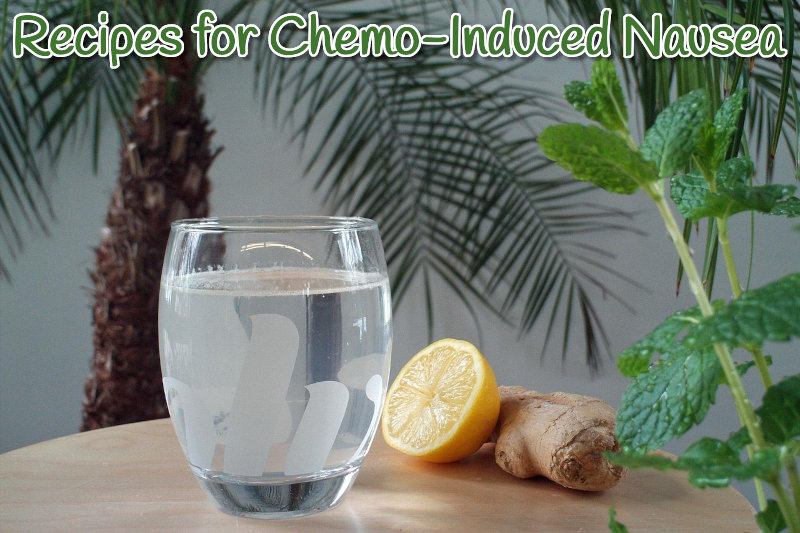
Chemotherapy can be a profoundly challenging experience, and one of the most distressing side effects for many patients is nausea. While medical interventions play a crucial role in managing this symptom, exploring natural remedies like ginger and peppermint can offer a complementary approach to comfort and well-being. These potent herbs have been used for centuries to soothe the digestive system and alleviate feelings of discomfort. This article delves into the science behind their effectiveness and provides delicious recipes to incorporate ginger and peppermint into your daily routine, offering a gentle and natural way to combat chemo-induced nausea. It’s important to discuss any new remedies with your oncologist to ensure they are safe and appropriate for your specific treatment plan.
Understanding the Science Behind the Relief
The effectiveness of ginger and peppermint in addressing nausea stems from their distinct chemical compositions and mechanisms of action. Ginger, primarily due to its gingerol content, possesses anti-inflammatory and antiemetic (anti-nausea) properties. It works by blocking the signals in the brain that trigger vomiting and can also soothe the stomach lining, reducing irritation. Research has shown ginger can effectively reduce serotonin levels, a neurotransmitter often implicated in nausea.
Peppermint, on the other hand, contains menthol, which has been proven to relax the muscles of the gastrointestinal tract. This relaxation can reduce spasms and contractions that contribute to feelings of nausea and discomfort. Furthermore, menthol stimulates the vagus nerve, a major nerve that plays a role in regulating digestion and influencing the brain’s response to nausea. The combination of these effects provides a synergistic approach to nausea relief. Many studies support the use of these herbs in managing nausea, though more research is always ongoing to refine dosages and treatment protocols.
Building a Relief-Focused Diet: Recipes & Practical Tips
Creating a dietary approach that minimizes nausea is vital. Many people find that certain foods trigger or worsen their symptoms. Understanding this is the first step. Ginger and peppermint recipes can be tailored to various tastes and dietary needs. Here are a few ideas, starting with simple preparations and moving to more complex options.
Gentle Ginger & Peppermint Infusions
- Classic Ginger-Peppermint Tea: This is a simple and accessible remedy. Steep 1-2 teaspoons of grated fresh ginger and 1-2 peppermint leaves in 8 ounces of hot water for 10-15 minutes. Add a touch of honey or maple syrup if desired.
- Ginger-Peppermint Syrup: Make a small batch of syrup by simmering 1 cup of water, 1/2 cup of sugar, 1/4 cup grated ginger, and 1/4 cup peppermint leaves in a saucepan for 20 minutes. Strain and store in a sealed container in the refrigerator for up to 2 weeks. Drizzle into tea or sparkling water.
- Ginger-Peppermint Capsules: If you find the taste of the infusions challenging, ginger and peppermint capsules offer a concentrated dose without the need for preparation. Discuss dosage with your healthcare provider.
Expanding Your Flavor Palette
- Ginger-Peppermint Pudding: A small portion of creamy pudding (using coconut milk or a low-fat dairy option) can be enhanced with a touch of ginger-peppermint syrup. Avoid overly rich or heavy desserts.
- Ginger-Peppermint Smoothie: Blend together a banana, a handful of spinach, a scoop of protein powder, a tablespoon of ginger-peppermint syrup, and a splash of coconut water.
- Ginger-Peppermint Chicken (Gentle Preparation): When preparing chicken, simmer with a small amount of grated ginger and a sprig of peppermint.
Beyond the Recipes: Additional Considerations for Nausea Management
Maintaining a consistent routine can also make a significant difference. Small, frequent meals are generally easier to tolerate than large ones. Avoid strong smells and greasy foods, which can exacerbate nausea. Staying hydrated is crucial. Gentle movement, such as walking, can also help.
Addressing Persistent Nausea: A Holistic Approach
While ginger and peppermint offer valuable support, persistent nausea often requires a more comprehensive strategy. It’s crucial to remember that everyone experiences chemotherapy differently, and what works for one person may not work for another. Open communication with your healthcare team is paramount.
- Mindfulness & Relaxation Techniques: Practices such as deep breathing, meditation, and progressive muscle relaxation can help reduce anxiety and stress, which can contribute to nausea.
- Support Groups & Counseling: Connecting with others who are going through similar experiences can provide emotional support and valuable insights.
- Regular Check-Ins with Your Oncologist: Continue to discuss any ongoing symptoms and adjust your treatment plan as needed.
Promoting Relief with Lollies Lozenges – A Complementary Solution
In addition to the powerful benefits of ginger and peppermint, Lollies lozenges provide an immediate, accessible way to combat nausea. These lozenges are formulated with a blend of soothing herbs and natural ingredients designed to gently calm the stomach and alleviate discomfort. The fast-dissolving format allows for quick relief when nausea strikes. They are a convenient and discreet way to take action and regain a sense of control. Lollies lozenges are a valuable addition to your toolkit for managing chemo-induced nausea, offering an extra layer of support during a challenging time.
Recent Posts
- The Ultimate Hydration Guide For Transitioning Into Fall
- Fighting Chemo-Induced Nausea: A Natural Approach This Fall
- Back-to-School Lunchbox Hacks – Keeping Little Ones Comfortable and Fed
- Cold & Flu Season Prep: A Proactive Approach to Wellness
- September’s Seasonal Bounty: A Potential Ally Against Morning Sickness
Categories
- All-Natural (4)
- Blog (46)
- Cancer (96)
- Diet (15)
- Holidays (31)
- Lifestyle (85)
- Motion Sickness (48)
- Nausea (135)
- New Mothers (54)
- Oncology Testimonials (3)
- Prebiotics (1)
- Preggie Products (11)
- Preggie Testimonial (24)
- Pregnancy (169)
- Queasy Products (8)
- Queasy Testimonial (17)