Introducing New Foods to Your Toddler: A Story & A Strategic Approach
April 4th, 2026 | Nausea, New Mothers
Don’t let your toddlers try new food at a friends house. It happened a long time ago, but the memory is still fresh. My friend Sarah was over for lunch – a lovely, relaxed Sunday spread of sandwiches and salad. Her three-year-old, Leo, was happily exploring the table, as toddlers do. Then, it happened. Leo spotted an olive, a little, glistening green torpedo nestled in a bowl of mixed olives. Before Sarah could even say “no,” Leo grabbed it, popped it in his mouth, and then… well, let’s just say a small, but perfectly formed, projectile of olive-infused baby goo ended up decorating Sarah’s brand-new white shirt. The look on Leo’s face was a mixture of surprise and, frankly, a little shame. It was a classic toddler food aversion moment, and a jarring reminder of how unpredictable this stage of development can be. While the visual was a bit dramatic, it highlighted a crucial point: introducing new foods to toddlers is rarely a smooth, polite affair. It’s often messy, chaotic, and filled with delightful surprises – both good and… well, not so good. But with the right strategy and a healthy dose of patience, you can navigate this critical stage of food exploration and minimize the inevitable tummy troubles.
Understanding the Toddler Food Landscape: Why the Resistance?
Before diving into practical tips, it’s vital to understand why toddlers often resist new foods. This isn’t simply about being “picky”; it’s rooted in several developmental factors. Firstly, their sense of taste is still developing. They’re not experiencing flavors as intensely as adults, and sometimes a novel taste can be overwhelming. Secondly, toddlers are incredibly independent. They want to assert their autonomy, and refusing food is a powerful way to do that. Thirdly, their brains are constantly learning and categorizing – and they’re categorizing food based on past experiences. If a toddler had a bad experience with a particular food (even a minor one), they’re likely to avoid it. Furthermore, the texture of new foods can be a major factor. Toddlers often have strong preferences for specific textures and can be very sensitive to changes. It’s crucial to approach this stage with empathy and understanding, rather than frustration. It’s important to remember that a little food refusal isn’t a reflection of your parenting skills. It’s a completely normal part of their developmental journey.
Strategic Food Introduction: The “Exposure” Method
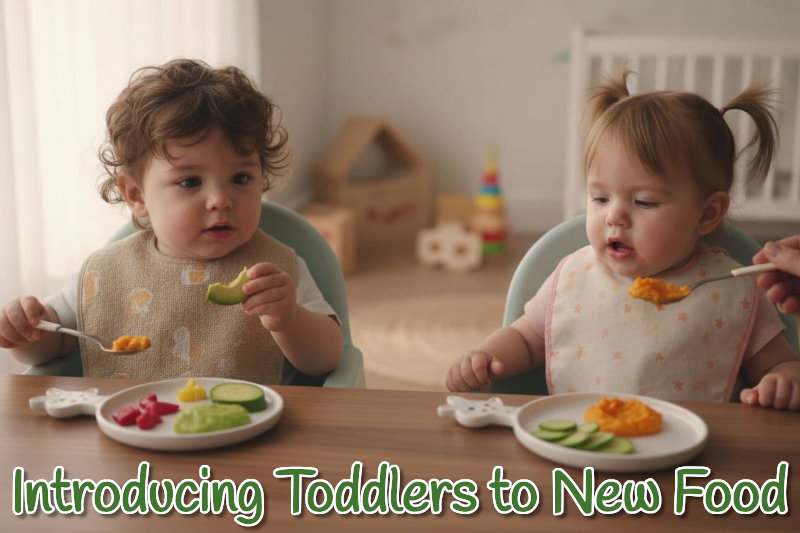
The key to successfully introducing new foods to your toddler isn’t about forcing them to eat it; it’s about repeated, gentle exposure. This is often referred to as the “exposure method.” Here’s how it works:
1. Start Small – Really Small: Don’t introduce a whole serving of a new food. Begin with just a tiny amount – a single pea, a tiny cube of cheese, a small smear of avocado. The goal is to simply let them see, smell, and maybe even touch the food without feeling pressured to eat it.
2. Repeated Exposure: It can take many exposures—sometimes 10-15 or even more—before a toddler accepts a new food. Don’t give up after one or two attempts. Continue offering the food in different ways (pureed, diced, on toast) alongside familiar favorites.
3. Model Positive Behavior: Toddlers learn by imitation. If you’re enjoying the new food, they’re more likely to be curious about it. Let them see you eating it with enthusiasm.
4. Don’t Pressure or Force: This is absolutely critical. Forcing a child to eat can create negative associations with food and exacerbate resistance.
Preparing for Toddler Nausea: Prevention & Relief
Even with the best introduction strategies, nausea can still strike. Toddlers are prone to tummy troubles for a variety of reasons – viral infections, changes in routine, and simply the act of exploring new foods can all contribute. Here’s how to proactively prepare and provide relief:
1. Recognize the Signs: Learn to recognize the early signs of nausea in your toddler – pale skin, excessive drooling, reluctance to eat, fussiness, or a sensitive stomach.
2. Gentle Remedies: Offer small sips of clear liquids like water, diluted fruit juice (avoid citrus), or electrolyte solutions. For older toddlers, small amounts of ginger ale (real ginger, not just flavoring) can help settle the stomach.
3. Bland Diet: Stick to a bland diet of easily digestible foods like toast, crackers, bananas, rice, and applesauce. Avoid fatty, greasy, or spicy foods.
4. Frequent Small Meals: Instead of three large meals, offer frequent small meals and snacks throughout the day to prevent an empty stomach.
Resources & Further Support
- Zero to Three: https://www.zerotothree.org/ – Offers a wealth of information on child development and feeding.
- KidsHealth: https://kidshealth.org/ – Reliable information on children’s health, including nutrition and common illnesses.
Recent Posts
- The Ultimate Hydration Guide For Transitioning Into Fall
- Fighting Chemo-Induced Nausea: A Natural Approach This Fall
- Back-to-School Lunchbox Hacks – Keeping Little Ones Comfortable and Fed
- Cold & Flu Season Prep: A Proactive Approach to Wellness
- September’s Seasonal Bounty: A Potential Ally Against Morning Sickness
Categories
- All-Natural (4)
- Blog (46)
- Cancer (96)
- Diet (15)
- Holidays (31)
- Lifestyle (85)
- Motion Sickness (48)
- Nausea (135)
- New Mothers (54)
- Oncology Testimonials (3)
- Prebiotics (1)
- Preggie Products (11)
- Preggie Testimonial (24)
- Pregnancy (169)
- Queasy Products (8)
- Queasy Testimonial (17)