Spring Cleaning: More Than Just a Chore – A Path to Stress Relief
May 9th, 2026 | Lifestyle, Nausea
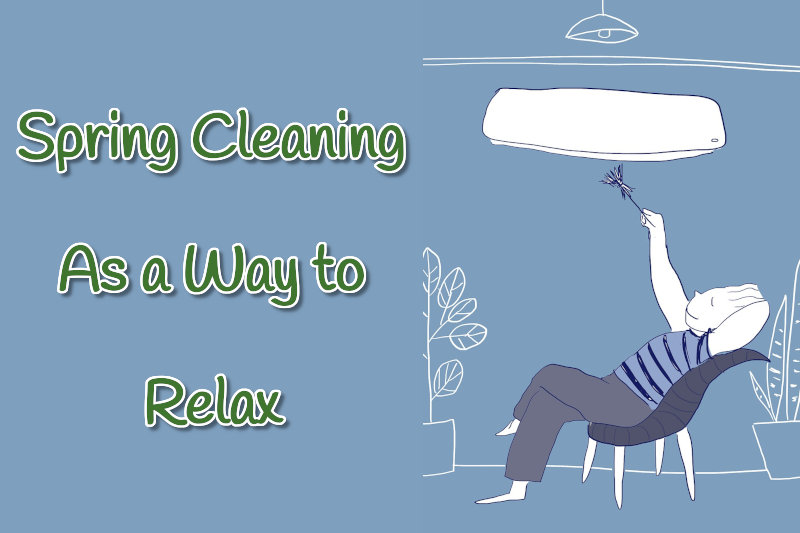
The arrival of spring is often associated with vibrant blooms, warmer weather, and a general feeling of renewal. However, for many, it also brings a sense of overwhelming dread. As daylight hours lengthen and the temptation to get outdoors grows, the neglected corners of our homes – the closets crammed with forgotten items, the dusty shelves overflowing with unused possessions, the garage choked with tools and equipment – become a stark reminder of the responsibilities we’ve been avoiding. But spring cleaning isn’t just about tackling a list of chores; it’s a surprisingly effective strategy for reducing stress and improving overall mental wellbeing. The act of transforming your physical space into a more organized and inviting environment can have a profound impact on your mental state, offering a tangible way to take control of your life and create a sanctuary for yourself. The connection between our physical surroundings and our psychological state is remarkably strong, and a cluttered home can contribute significantly to feelings of anxiety, frustration, and a general sense of being overwhelmed. This guide will explore how the simple act of spring cleaning can be a powerful tool for managing stress and cultivating a more peaceful and productive life.
Understanding the Connection Between Clutter and Stress
The science behind the connection between clutter and stress is fascinating, and increasingly supported by research in psychology and neuroscience. A cluttered environment can trigger the body’s ‘fight or flight’ response. Visual chaos, a lack of order, and the sheer volume of things we don’t know how to deal with can activate the amygdala, the part of the brain responsible for processing fear and anxiety. This leads to increased cortisol levels – the stress hormone – contributing to feelings of unease, irritability, and difficulty concentrating. Furthermore, a disorganized space can fuel feelings of guilt and shame. We begin to associate the clutter with our lack of self-discipline or a failure to manage our lives effectively. This negative self-perception further exacerbates stress.
The cognitive load associated with a cluttered environment is another significant factor. Our brains are constantly working to process information, and a disorganized space requires significantly more mental effort to navigate. This constant cognitive strain can lead to mental fatigue and increased feelings of stress. Simply put, a clean, orderly space allows the mind to relax and focus, fostering a sense of calm and control. The act of cleaning itself, though demanding initially, can also be meditative. The rhythmic movements, the focus on detail, and the tangible sense of progress can shift your attention away from worries and anxieties.
The Therapeutic Benefits of a Tidy Home
Beyond the scientific explanations, there’s a deeply ingrained human appreciation for order and beauty. A tidy home often feels safer, more comfortable, and more conducive to relaxation and wellbeing. When our surroundings are clean and organized, we feel more in control and secure. It’s incredibly empowering to see the results of your efforts, and that feeling of accomplishment can be a significant boost to your mood and self-esteem.
Here are some key ways spring cleaning can directly contribute to stress relief:
- Improved Focus & Productivity: A clutter-free workspace or living area promotes mental clarity and concentration, allowing you to tackle tasks with greater ease and efficiency.
- Reduced Anxiety: The visual impact of a clean space can have a calming effect, lowering levels of anxiety and promoting a sense of peace.
- Increased Self-Esteem: Successfully completing a cleaning project provides a sense of accomplishment and boosts self-confidence.
- Enhanced Creativity: A clean and organized environment can stimulate creativity and innovative thinking.
- Better Sleep: Reducing visual clutter and creating a calming atmosphere can contribute to a more restful night’s sleep.
Nausea and the Power of Relaxation
Interestingly, the connection between relaxation and reducing nausea isn’t just a theoretical concept—it’s a frequently reported and often effective strategy. Nausea is a complex physiological response, frequently triggered by anxiety, stress, or gastrointestinal disturbances. When we’re stressed, our bodies release adrenaline, which can stimulate the digestive system and lead to feelings of discomfort. This heightened state of arousal can exacerbate nausea symptoms. Conversely, relaxation techniques – deep breathing, meditation, gentle stretching – directly counteract the effects of adrenaline. By slowing down our heart rate, calming our nervous system, and promoting a sense of tranquility, these practices can effectively reduce the physiological symptoms of nausea. Simple actions like a warm drink, a cool cloth on the forehead, or focusing on a calming visual can also have a positive effect, leveraging the principle of shifting attention away from the physical sensations of discomfort.
Making Spring Cleaning a Sustainable Stress-Relief Routine
The key to harnessing the stress-relieving power of spring cleaning isn’t just about a single, intense cleaning session. It’s about incorporating it into a sustainable, ongoing routine. This approach transforms the task from a dreaded chore into a regular practice that supports your mental wellbeing.
Here are some tips for creating a lasting spring cleaning routine:
- Start Small: Don’t attempt to tackle the entire house in one day. Begin with a small, manageable area, such as a drawer, a shelf, or a corner of a room.
- Set Realistic Goals: Be honest with yourself about the time and energy you have available. Don’t set unrealistic expectations that will lead to frustration and burnout.
- Schedule Regular Sessions: Block out specific times in your calendar for cleaning, even if it’s just for 15-30 minutes.
- Focus on One Task at a Time: Resist the urge to multitask. Concentrate on completing one task before moving on to the next.
- Declutter as You Go: As you clean, take the opportunity to get rid of items you no longer need or use. Implement the one-in, one-out rule – for every new item you bring in, get rid of something similar.
- Create a Cleaning Playlist: Put together a playlist of uplifting music to make the process more enjoyable.
- Reward Yourself: After completing a cleaning session, treat yourself to something you enjoy, such as a relaxing bath, a cup of tea, or a few minutes of quiet time.
By approaching spring cleaning with intention and a focus on mental wellbeing, you can transform it from a stressful chore into a powerful tool for reducing anxiety, improving your mood, and creating a more peaceful and fulfilling life. Remember, the goal isn’t just a tidy house; it’s a clearer mind.
Recent Posts
Categories
- All-Natural (4)
- Blog (46)
- Cancer (97)
- Diet (15)
- Holidays (33)
- Lifestyle (89)
- Motion Sickness (48)
- Nausea (138)
- New Mothers (55)
- Oncology Testimonials (3)
- Prebiotics (1)
- Preggie Products (11)
- Preggie Testimonial (24)
- Pregnancy (169)
- Queasy Products (8)
- Queasy Testimonial (17)