Preparing for Springtime Severe Weather: A Family Safety Plan
March 7th, 2026 | New Mothers
Springtime, the period of rapid, intense thunderstorms that often plague the Southern United States, is a beautiful but potentially dangerous time. The dramatic cloud formations and booming thunder are captivating for children, but the reality of tornadoes and flash floods demands serious preparation. While ensuring your family’s safety is paramount, it’s equally crucial to acknowledge and address the anxiety that children often experience during severe weather events. This isn’t just about securing your home; it’s about fostering a calm, reassuring environment for your kids. A robust preparedness plan, combined with effective coping strategies for children, can dramatically reduce fear and increase your family’s ability to respond effectively.
Understanding the Risks of Springtime Weather
Springtime thunderstorms are characterized by incredibly fast-moving storms – often forming within minutes – and the high risk of supercell thunderstorms, which produce the strongest tornadoes. The speed at which these storms develop can leave little time for reaction. Lightning strikes are also a significant threat, and flash flooding is a common consequence of heavy rainfall. The intensity of Springtime storms isn’t just about the raw power of the weather; it’s about the rapid escalation of conditions. Understanding the specific risks prevalent in your area – tornado alley, river flooding zones, etc. – is the first step in creating a targeted safety plan. Many communities provide alerts through weather radio, NOAA Weather Radio apps, and local news broadcasts, but relying solely on these can be overwhelming for a child. It’s crucial to teach children how to recognize the warning signs and what actions to take.
Building Your Family’s Emergency Kit & Communication Plan
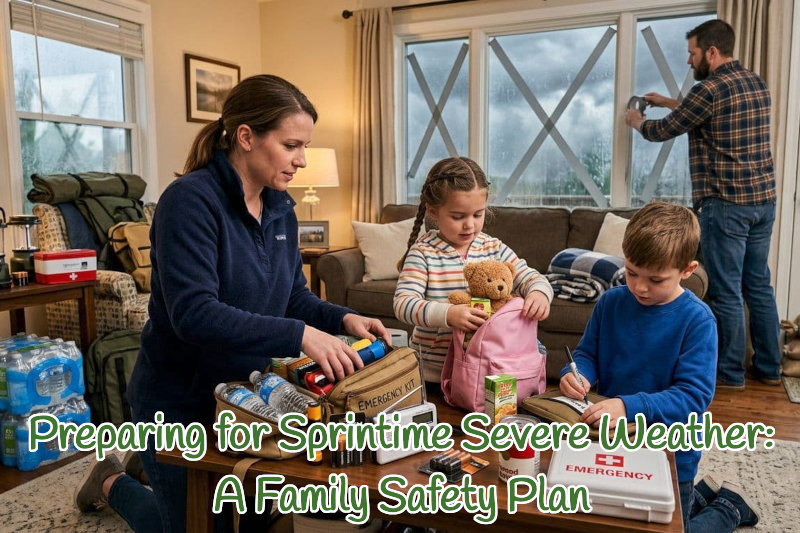
A well-stocked emergency kit is the foundation of your Springtime safety strategy. This should include: non-perishable food and water (at least a 3-day supply per person), a first-aid kit, flashlights with extra batteries, a battery-powered or hand-crank weather radio, blankets, and essential medications. Beyond the tangible supplies, however, a clear communication plan is vital. Designate an out-of-state contact person that everyone can check in with if local communication is disrupted. Practice drills – a “tornado drill” where you quickly seek shelter – to normalize the process and reduce anxiety. Age-appropriate conversations about the weather are also key; explain, simply and honestly, what a tornado is and why it’s dangerous, avoiding overly frightening details.
Comforting Children During Severe Weather Events
Even with the best preparation, Springtime severe weather can trigger significant anxiety in children. They’re processing powerful images, loud noises, and the potential for danger. The key is to meet their emotional needs while simultaneously reinforcing safety measures.
Recognizing and Validating Child Anxiety
The first step is acknowledging your child’s feelings. Don’t dismiss their fears with phrases like “Don’t be scared.” Instead, validate their experience. Saying, “I see you’re feeling worried about the storm. It’s okay to feel scared when there’s loud thunder and flashes of lightning” is far more effective. Young children often have difficulty understanding abstract concepts like “danger” and “risk,” so focus on concrete feelings – fear, worry, uncertainty. Observe their reactions closely to identify the specific triggers. Is it the noise? The flashes of light? The feeling of being trapped?
Calming Techniques and Reassurance Strategies
Once you’ve acknowledged their anxiety, you can begin to implement calming techniques. These might include:
- Physical Comfort: Offer hugs, cuddles, or holding their hand. Physical touch can be incredibly reassuring.
- Distraction: Engage them in a familiar activity – reading a book, singing a song, playing a quiet game. This shifts their focus away from the storm.
- Deep Breathing Exercises: Guide them through slow, deep breaths. This can help regulate their nervous system and reduce feelings of panic. “Let’s breathe in slowly like we’re smelling a flower and then breathe out slowly like we’re blowing out a candle.”
- Reassurance: Repeat calming statements, “We’re safe here,” “Mommy/Daddy is here to protect you,” “This will pass.” Consistency is key.
- Create a Safe Space: Designate a comfortable area of your home as a “safe zone.” This could be a bedroom, basement, or closet where you can retreat to during the storm.
Long-Term Strategies for Managing Weather Anxiety
While immediate coping strategies are essential, don’t overlook the importance of long-term strategies for managing weather anxiety. Continue to talk about the weather in a calm, factual manner. Read books about storms and weather safety. Regularly review your family’s emergency plan. By fostering a sense of control and preparedness, you can help your child develop resilience and confidence in the face of potentially frightening weather events. Consider seeking professional guidance from a child psychologist or therapist if your child’s anxiety is severe or persistent.
Recent Posts
- Navigating Easter with Chemotherapy-Induced Nausea: Finding Moments of Joy
- Creating Magical Memories: Festive & Safe Easter Activities for Young Children
- Adjusting Your Chemotherapy Anti-Nausea Plan for Daylight Savings Time
- The Science Behind Morning Sickness and Why Lozenges Help
- Creating a Spring-Inspired Home for Comfort & Relaxation During Chemo Treatments
Categories
- All-Natural (4)
- Blog (47)
- Cancer (85)
- Diet (15)
- Holidays (28)
- Lifestyle (69)
- Motion Sickness (44)
- Nausea (110)
- New Mothers (46)
- Oncology Testimonials (3)
- Prebiotics (1)
- Preggie Products (11)
- Preggie Testimonial (24)
- Pregnancy (161)
- Queasy Products (7)
- Queasy Testimonial (17)