Spring Cleaning & Baby-Proofing: A Safe and Welcoming Home for Your Little One
April 1st, 2026 | New Mothers
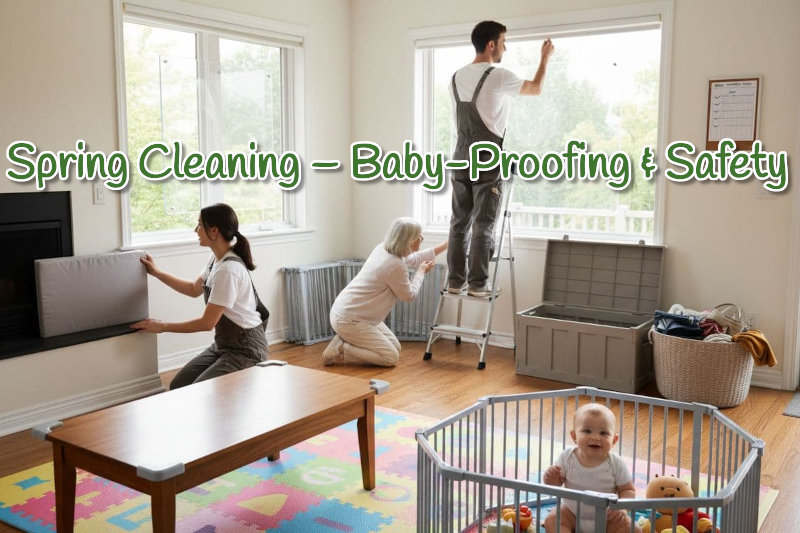
Spring is a time of renewal, a chance to refresh our spaces and start anew. As we tackle our annual spring-cleaning, it’s the perfect opportunity to really focus on creating a safe and secure environment for our children. Often, the urgency of cleaning can overshadow the crucial need for thorough baby-proofing – and we don’t want a fresh start to be undermined by potential hazards. Investing in baby-proofing isn’t simply about ticking boxes; it’s about providing your child with the freedom to explore and learn without the risk of injury. This comprehensive guide will walk you through the essential steps, from assessing your home to implementing effective safety measures. Let’s make this spring a celebration of safety and a beautiful, secure foundation for your child’s development.
Assessing Your Home’s Risk Factors
Before you even reach for the cleaning supplies, take a step back and truly assess your home through a child’s eyes. Your baby, even as a newborn, is already taking in their surroundings, reaching, grasping, and exploring with their developing senses. Many everyday household items can pose a serious risk if not properly secured. Start by walking through each room, consciously considering potential dangers.
Common Areas of Risk:
- Electrical Outlets: These are incredibly tempting to little fingers and mouths.
- Sharp Edges & Corners: Furniture, countertops, and shelves can cause significant cuts.
- Small Objects: Coins, batteries, buttons, and other small items are choking hazards.
- Toxic Substances: Cleaning supplies, medications, and chemicals need to be completely out of reach.
- Furniture Stability: Wobbly furniture can easily tip over, causing injury.
Prioritizing Baby-Proofing Zones
Once you’ve identified the potential hazards, you can begin prioritizing your baby-proofing efforts. Certain areas of your home will naturally require more attention than others. The nursery, of course, is the most crucial area, followed closely by living rooms and playrooms. However, don’t overlook hallways and other areas where your child will be mobile.
Focusing on the Essentials:
- The Nursery: This room needs the most attention. Secure furniture, cover outlets, install baby gates, and store all hazardous items safely.
- Living Room: Baby gates are essential to restrict access to stairs and other dangerous areas. Cover cords from electronics and secure heavy furniture.
- Kitchen & Bathrooms: These areas require extra caution. Secure cabinets, install anti-scald devices on faucets, and ensure all cleaning supplies are locked away.
Creating a Safe Environment: Practical Baby-Proofing Techniques
Now that you’ve identified the risks and prioritized your baby-proofing efforts, let’s delve into some practical techniques and product recommendations to create a truly safe environment for your little one. Remember, safety is an ongoing process, not a one-time task. Regularly inspect your baby-proofing measures and make adjustments as your child grows and develops.
Hardware & Physical Barriers: Your First Line of Defense
Physical barriers are the cornerstone of effective baby-proofing. They create a tangible boundary, preventing access to dangerous areas.
Key Hardware Solutions:
- Outlet Covers: These are inexpensive and essential. Choose tamper-resistant models that are specifically designed to meet safety standards.
- Furniture Anchors: Secure all furniture (dressers, bookshelves, TVs) to the wall using anti-tip straps. This prevents furniture from tipping over if your child climbs on it.
- Furniture Pads: Place padded furniture pads on sharp corners and edges of furniture.
- Area Rugs: Reduce the risk of falls by placing soft, non-slip area rugs in areas where your child will be walking.
- Baby Gates: Invest in high-quality baby gates for doorways and stairways. Ensure the gates are properly installed and tested regularly.
Smart & Creative Solutions: Beyond the Basics
While hardware is crucial, there are also many clever and creative solutions that can enhance your baby-proofing efforts.
Thinking Outside the Box:
- Cord Concealers: Use cord concealers to tuck away electrical cords, preventing babies from grabbing and pulling.
- Furniture Covers: Use furniture covers to protect furniture from scratches and stains while also providing a cushioned surface.
- Storage Solutions: Employ cabinets with locking mechanisms or use baskets and bins to contain small objects.
- Window Guards/Strips: Install window guards or window safety strips to prevent falls.
Maintaining a Safe Home: Ongoing Baby-Proofing
Baby-proofing isn’t a one-time project; it’s an ongoing process that needs to be continually assessed and adjusted as your child grows and develops. As your baby becomes more mobile, they’ll naturally seek to explore their surroundings, so you need to be proactive in maintaining a safe environment.
Regular Safety Checks:
- Weekly Inspections: Take a few minutes each week to walk through your home and check for any new hazards or loose fittings.
- Childproofing Checklist: Create a comprehensive baby proofing checklist and use it as a guide for your inspections.
- Communication: Talk to your child about safety rules in simple terms, reinforcing the importance of staying away from dangerous areas.
As Your Child Grows:
- Toddler Stage: As your child starts crawling and walking, you’ll need to increase your baby-proofing efforts, focusing on securing furniture, covering outlets, and installing baby gates.
- Older Children: Continue to monitor your child’s activities and adjust your baby-proofing measures as they become more independent.
By prioritizing baby-proofing and implementing these practical techniques, you can create a safe and welcoming home for your little one, allowing them to explore and grow with confidence, and creating a memorable spring-cleaning experience.
Recent Posts
- Spring Cleaning & Baby-Proofing: A Safe and Welcoming Home for Your Little One
- Navigating Easter with Chemotherapy-Induced Nausea: Finding Moments of Joy
- Creating Magical Memories: Festive & Safe Easter Activities for Young Children
- Adjusting Your Chemotherapy Anti-Nausea Plan for Daylight Savings Time
- The Science Behind Morning Sickness and Why Lozenges Help
Categories
- All-Natural (4)
- Blog (47)
- Cancer (85)
- Diet (15)
- Holidays (28)
- Lifestyle (69)
- Motion Sickness (44)
- Nausea (110)
- New Mothers (47)
- Oncology Testimonials (3)
- Prebiotics (1)
- Preggie Products (11)
- Preggie Testimonial (24)
- Pregnancy (161)
- Queasy Products (7)
- Queasy Testimonial (17)