Staying Hydrated During Travel: A Comprehensive Guide
April 12th, 2026 | Motion Sickness
Travel, by its very nature, is a demanding experience. From navigating unfamiliar airports to enduring long flights and exploring new environments, our bodies are put through a significant strain. Often, amidst the excitement and stimulation, we forget one of the most crucial aspects of maintaining our well-being: hydration. Dehydration can quickly manifest as fatigue, headaches, dizziness, and impaired cognitive function – all of which can significantly diminish the enjoyment of your trip. This isn’t just about quenching a thirst; it’s about understanding how travel impacts your fluid balance and implementing strategies to prevent dehydration before it takes hold. Let’s delve into why staying hydrated is so vital during travel and, more importantly, how to do it effectively.
The Science Behind Travel Dehydration
The reasons behind increased dehydration during travel are multifaceted. Firstly, air travel itself drastically contributes to fluid loss. Aircraft cabins maintain significantly lower humidity levels than the ground, leading to increased evaporation from your skin and respiratory system. This constant evaporation pulls moisture from your body, contributing to a net loss of fluid. Furthermore, the dry air at altitude means that your body needs to work harder to compensate, using up valuable energy and resources.
Secondly, many of the activities associated with travel – walking, sightseeing, exploring new cuisines, and even just navigating bustling airports – can lead to increased perspiration. The more active you are, the more fluids you’ll lose through sweat. Even passive activities like simply sitting on a long flight can contribute due to the aforementioned low humidity. Finally, changes in diet – often involving more alcohol and caffeinated beverages – can exacerbate dehydration by acting as diuretics, causing your body to excrete more water. Understanding these factors is the first step in proactively managing your hydration levels.
Recognizing the Signs and Symptoms of Dehydration
Dehydration doesn’t always present with obvious symptoms, particularly in the early stages. It’s crucial to be aware of the subtle indicators that your body is signaling a need for more fluids. Don’t wait until you feel intensely thirsty – by the time thirst signals appear, you’re already mildly dehydrated.
Here are some key signs to watch for:
- Dry Mouth and Throat: A classic symptom, but often overlooked until it’s progressed.
- Dark Yellow Urine: Healthy hydration results in pale yellow urine. Darker urine indicates concentrated urine, which is a sign of dehydration.
- Headaches: Dehydration can trigger headaches, often described as a dull, persistent ache.
- Dizziness and Lightheadedness: Reduced blood volume due to dehydration can lead to a drop in blood pressure, causing dizziness, especially when standing up quickly.
- Fatigue and Weakness: Dehydration can deplete energy levels, leaving you feeling sluggish and tired.
- Muscle Cramps: Electrolyte imbalances, often associated with dehydration, can contribute to muscle cramps.
- Cognitive Impairment: Dehydration can affect concentration, memory, and decision-making abilities.
Strategies for Maintaining Hydration During Travel
Once you understand the risks and recognize the symptoms, implementing a proactive hydration plan is essential. Here’s a breakdown of effective strategies to keep you hydrated throughout your travel adventure.
Pre-Trip Preparation and Planning
Your hydration strategy should begin before you even leave home.
- Start Hydrating: Begin increasing your water intake a few days before your trip. This helps your body adjust and ensures you’re starting from a more hydrated baseline.
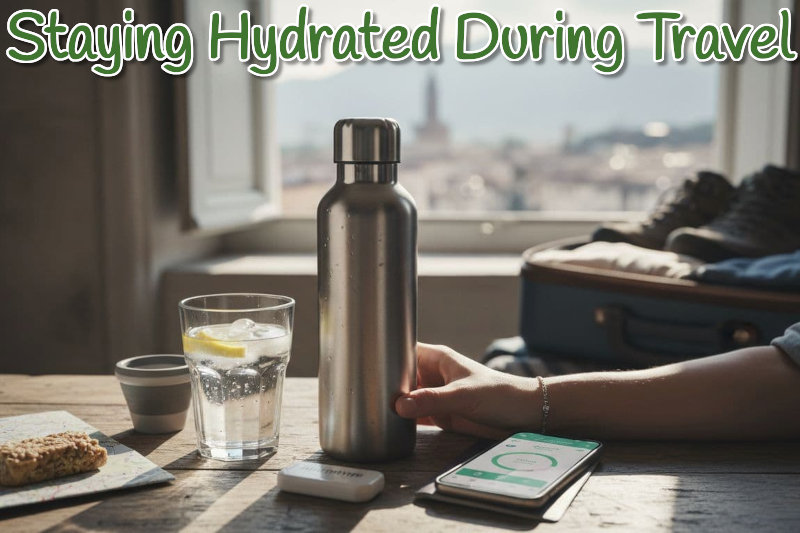
- Pack a Reusable Water Bottle: Invest in a good quality, insulated water bottle. It’s far more environmentally friendly and allows you to easily track your water intake.
- Research Local Water Sources: Familiarize yourself with access to safe drinking water at your destination. This might involve identifying bottled water brands or researching public water fountains.
On-the-Go Hydration Tactics
- Drink Regularly: Don’t wait for thirst. Aim to drink small amounts of water consistently throughout the day, rather than gulping down large quantities infrequently. A good guideline is to drink every 30-60 minutes.
- Electrolyte Drinks: Especially during long flights or strenuous activities, electrolyte drinks can help replenish lost minerals. However, be mindful of sugar content; opt for lower-sugar options or make your own. Consider adding a pinch of sea salt for a simple electrolyte boost.
- Hydrating Foods: Incorporate water-rich fruits and vegetables into your diet, such as watermelon, cucumbers, oranges, and spinach. These foods contribute significantly to your overall fluid intake.
- Avoid Excessive Caffeine and Alcohol: As mentioned before, these substances are diuretics and can accelerate fluid loss. If you do consume them, be sure to compensate with extra water.
Additional Considerations for Specific Travel Scenarios
- Flights: Air travel is particularly dehydrating. Drink plenty of water before, during, and after your flight. Consider asking the flight attendant for water frequently.
- Hot Climates: In hot and humid destinations, you’ll naturally sweat more. Increase your water intake and consider wearing light-colored, breathable clothing.
- High-Altitude Travel: At higher altitudes, you may experience increased respiration, leading to greater fluid loss. Stay extra hydrated and consider consulting with your doctor about altitude sickness prevention.
By implementing these strategies and remaining mindful of your hydration needs, you can significantly enhance your travel experience and ensure you feel your best throughout your journey. Remember, staying hydrated isn’t just about quenching your thirst – it’s an essential component of travel wellness.
Recent Posts
- Staying Hydrated During Travel: A Comprehensive Guide
- Conquer Your Travel Nausea: Simple Snacks & ThreeLollies Queasy Drops
- Introducing New Foods to Your Toddler: A Story & A Strategic Approach
- Spring Cleaning & Baby-Proofing: A Safe and Welcoming Home for Your Little One
- Navigating Easter with Chemotherapy-Induced Nausea: Finding Moments of Joy
Categories
- All-Natural (4)
- Blog (47)
- Cancer (85)
- Diet (15)
- Holidays (28)
- Lifestyle (69)
- Motion Sickness (46)
- Nausea (112)
- New Mothers (48)
- Oncology Testimonials (3)
- Prebiotics (1)
- Preggie Products (11)
- Preggie Testimonial (24)
- Pregnancy (161)
- Queasy Products (7)
- Queasy Testimonial (17)