A Practical Guide to Traveling with a Baby in Winter
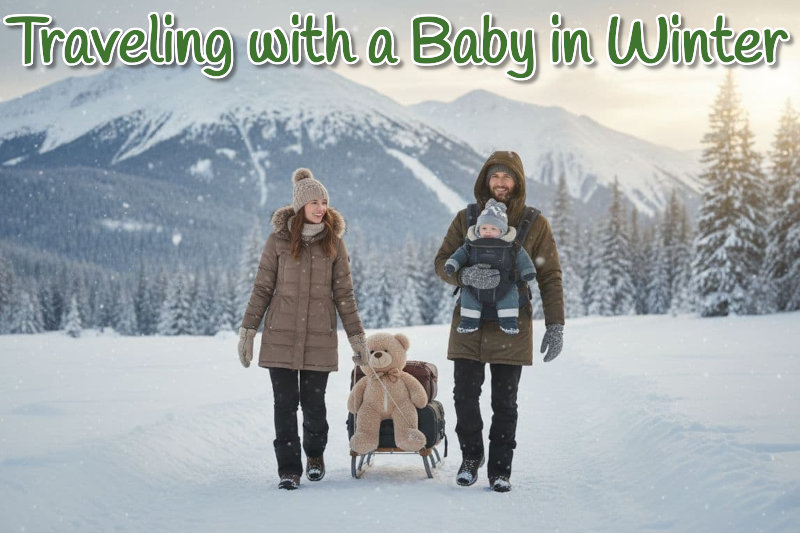
January 21st, 2026 | New Mothers
The world in winter offers a unique kind of beauty – snow-dusted landscapes, cozy cabins, and twinkling Christmas lights. But dreaming of that winter getaway with your little one? Especially when they’re a baby? It requires careful planning and a specific set of strategies to ensure everyone stays happy, healthy, and warm. Many parents worry that winter travel with infants is too complicated or risky, but with the right preparation, it can be a magical experience. This guide will equip you with the essential tips and practical advice you need to confidently plan and execute a successful baby winter trip, from packing the perfect bag to managing potential emergencies far from home.
The Essentials: Packing Like a Pro for Baby Winter Adventures
Proper packing is arguably the most crucial step in winter baby travel. Unlike adults, babies can’t easily layer clothes themselves, and the wrong gear can quickly lead to unhappy moments. Think beyond just clothing; consider comfort, convenience, and safety.
Mastering the Baby Layers System
The key to keeping a baby warm in winter is layering, not bundling. Overdressing can trap heat and cause sweating, leading to chills once the baby starts moving. Instead, opt for multiple thin layers.
- Base Layer: A moisture-wicking long-sleeved bodysuit or thermal underwear is essential. This pulls sweat away from the skin.
- Middle Layer: This is your core warmth provider. Fleece suits (onesies, pants, sometimes a light sleeper) are excellent here. Choose ones that allow for movement.
- Outer Layer: A waterproof and windproof jacket or snowsuit is a must, especially for outdoor activities or travel in harsh weather. Snowsuits are fantastic as they combine warmth and waterproofing in one piece. Consider a lightweight puffy jacket (like a vest or snowsuit liner) for extra insulation underneath heavier outerwear if needed.
- Accessories are Key: Don’t forget hats, scarves, mittens (or soft-sided gloves for very young babies), and warm socks. Ensure these are easy for you to access in your diaper bag. A baby’s core warmth is vital – keeping their head, hands, and feet covered significantly reduces heat loss.
Packing Your Diaper Bag and Carry-On
Your diaper bag needs to be a well-organized mini-wardrobe and emergency kit. Winter adds specific items to the standard baby list.
- Clothing: Include extra socks, underwear, bodysuits, and perhaps a warmer sleepsuit or onesie for car rides or hotel stays. Pack a change of clothes for yourself too, just in case.
- Diapers & Wipes: Bring enough for the journey plus a little buffer. Pack wipes in a zip-lock bag to prevent moisture damage inside your bag. Hand sanitizer is a lifesaver for on-the-go cleanups.
- Clothing for Baby: Pack at least two sets of the baby’s winter outfit (layers included) plus any pajamas. Baby socks are crucial.
- Food & Drink: If your baby is formula-fed, bring extra bottles and formula. For solids, pack familiar snacks. Ensure you have baby water bottles, maybe even an insulated one for outings. Be sure to pack your pump if you are breastfeeding.
- Health & Comfort: Pack a thermometer (digital is best), infant pain reliever (check doctor/recommended dosage), antiseptic wipes, and any personal medications for the baby or older children. Include comfort items – favorite blanket, pacifier, board book, toy. A car seat is non-negotiable, especially for car travel. Consider a baby carrier suitable for winter, like a snow carrier or a heavier front carrier. Don’t forget yourself. If you struggle with travel sickness, check out our queasy products to help yourself to feel better for your baby.
- Travel Documents: Keep copies of birth certificates, passports, visas, insurance cards, and an emergency contact list in a separate, easily accessible place (like a zippered pocket in your diaper bag).
Choosing the Right Baby Carrier
Not all carriers are created equal, especially in winter. You need one that provides adequate insulation and support.
- Insulation: Carriers with padded panels or inserts designed for cold weather can help. Some carriers allow you to add liners or wear thick clothing underneath them.
- Comfort: You’ll likely be wearing this for long periods. Choose one that distributes weight well and is comfortable for you.
- Weather Appropriate: Some carriers are designed for heavier winter use, offering more coverage and breathability control.
Planning Your Winter Baby Trip: Beyond the Suitcase
Packing is vital, but planning the journey itself requires foresight, especially when traveling with a baby.
Booking and Accommodations
- Early Booking: Winter travel, especially to popular destinations, can be competitive. Booking flights, rental cars, and accommodations well in advance gives you better options and potentially better prices.
- Destination Considerations: Decide if you want a ski trip, a cabin getaway, a simple drive, or a flight. Research the weather conditions and typical winter activities at your destination.
- Choosing the Right Accommodation: Consider the location relative to airports or rental car return points. Proximity to amenities (like pharmacies or grocery stores) can be crucial. Look for places with laundry facilities – essential for dirty diapers and clothes. A crib or pack ‘n play might be helpful if you’re staying somewhere small, but ensure you have all your usual essentials.
Car, Plane, or Train: Navigating Different Travel Modes
Each mode of transport has its own challenges and considerations.
- Car Travel: Offers the most flexibility and control over pace. Crucial to ensure your car is winter-ready – antifreeze checked, tires inflated properly (cold weather can lower pressure), windshield wipers replaced, and an emergency kit (spare tire/chain, jumper cables, blankets, food, water, shovel) in the vehicle. Plan rest stops frequently, especially with a baby.
- Air Travel: Requires extra attention. Ensure your car seat meets FAA standards and you know how to secure it on the plane. Check airline policies on baby carriers (some airlines allow them free of charge or with restrictions). Babies may need to sit on a parent’s lap for takeoff and landing, which can be tiring but necessary for safety. Be aware of potential flight delays and changes, and have backup plans for keeping baby entertained and fed.
- Train Travel: Can be a scenic and comfortable option. Check the specific car seat policies and availability for the train. Power outlets might be more readily available than on a plane. Ensure the train schedule allows for adequate travel time and potential delays.
Managing Diapers and Waste Outdoors
Winter diaper changes often happen unexpectedly, usually outdoors. Be prepared.
- Portable Diaper Bags: These are invaluable for quick changes away from home. Ensure they are waterproof and designed for outdoor use.
- Bag Liners: Disposable bags or liners for your main diaper bag keep everything contained and dry.
- Hand Sanitizer: Essential for cleaning up.
- Scoop: A small poop scoop for outdoor changes.
- Wipes & Diapers: Always have extras readily accessible.
Staying Safe and Comfortable: Winter Baby Wellness on the Go
Ensuring your baby’s health and comfort during winter travel is paramount.
Recognizing Cold Stress and Hypothermia
It’s vital to know the signs that a baby might be too cold.
- Signs of Being Cold: Shivering (though babies can’t shiver effectively), pale or blue skin (especially around the lips), lethargy, irritability, cold hands and feet (even if the body core is warm), and increased breathing rate.
- Hypothermia: A dangerous drop in body temperature. Signs include lethargy, poor muscle coordination, slurred speech (in infants, this might manifest as floppy limbs or weak cry), and very low skin temperature. Hypothermia can be hard to detect in winter clothing as the core temperature drops while the extremities freeze. Never rely solely on feeling the baby’s hands or feet.
Dressing for Success: The Right Gear
The best defense against the cold is proper clothing. Reiterate the layering system and the importance of keeping the head, hands, and feet covered. Ensure baby’s mittens/gloves are not too tight, allowing for movement. Avoid plastic-coated boots if possible, as they trap moisture. Waterproof booties are usually fine.
Handling Emergencies
While planning helps prevent issues, emergencies can happen. Be prepared.
- Know Your Limits: Don’t push yourself and the baby too hard. Fatigue increases the risk of mistakes.
- Carry Essentials: Keep your baby’s medications, doctor’s contact information, and basic first-aid kit easily accessible.
- Identify Local Resources: Know the addresses and phone numbers of nearby hospitals, pharmacies, and police stations in your destination.
- Stay Hydrated and Fed: Keep yourself well-hydrated and fed. A happy, well-nourished parent is a better parent.
Recent Posts
- Navigating Easter with Chemotherapy-Induced Nausea: Finding Moments of Joy
- Creating Magical Memories: Festive & Safe Easter Activities for Young Children
- Adjusting Your Chemotherapy Anti-Nausea Plan for Daylight Savings Time
- The Science Behind Morning Sickness and Why Lozenges Help
- Creating a Spring-Inspired Home for Comfort & Relaxation During Chemo Treatments
Categories
- All-Natural (4)
- Blog (47)
- Cancer (85)
- Diet (15)
- Holidays (28)
- Lifestyle (69)
- Motion Sickness (44)
- Nausea (110)
- New Mothers (46)
- Oncology Testimonials (3)
- Prebiotics (1)
- Preggie Products (11)
- Preggie Testimonial (24)
- Pregnancy (161)
- Queasy Products (7)
- Queasy Testimonial (17)