Motion Sickness on School Drop-Off? A Guide to Calm Journeys
September 2nd, 2026 | Lifestyle, Nausea
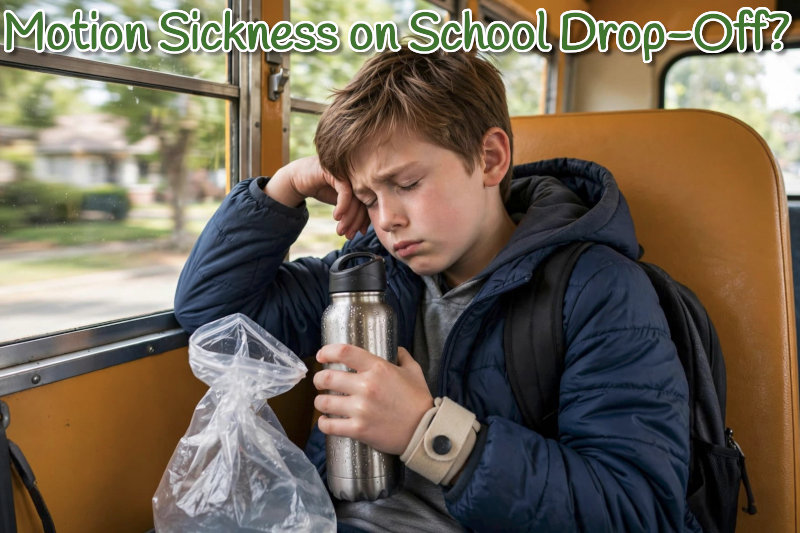
The start of a new school year – or even just a change in the school bus route – can be a really challenging time for both parents and children. For many kids, it’s not just the academics that are a concern, but the stress associated with unfamiliar routes, increased travel time, and the general disruption of established routines. And let’s be honest, this anxiety can often manifest in a very uncomfortable way: motion sickness. While occasional car sickness is common, when it’s triggered by school drop-off, it becomes a significant issue, creating tension for everyone involved. Understanding why children are prone to motion sickness during these times and having effective strategies at your disposal can make all the difference in fostering smoother transitions and greater peace of mind. This article explores how acupressure wristbands – specifically Queasy Wrist Bands – can provide relief, along with practical tips for minimizing discomfort.
Understanding the Root Causes of Motion Sickness During School Drop-Off
Several factors contribute to motion sickness during school drop-off situations. It’s rarely simply about “being car sick.” The disruption itself is a huge part of it. Let’s break down some key contributors:
- Sensory Mismatch: This is the most common culprit. When your child’s inner ear (which controls balance) receives conflicting signals from their eyes and muscles, it can trigger nausea and dizziness. If they’re reading in the car while looking at a fixed point on the road, or if they are relying on their vision of the route and the motion doesn’t match, this sensory conflict is amplified.
- Anxiety & Stress: The anticipation of a new routine, unfamiliar surroundings, or even just the pressure of getting to school on time can trigger a stress response in children. This stress increases adrenaline levels which can exacerbate nausea.
- Dietary Factors: Eating a heavy meal or consuming sugary drinks before travel can contribute to motion sickness. The digestive system needs to work harder, potentially creating an imbalance that leads to discomfort.
- Lack of Familiarity: New routes always create anxiety. Children have built-in comfort with familiar surroundings and it’s natural for them to feel unsettled when things change suddenly.
Gentle Strategies & Proactive Measures
Beyond simply focusing on remedies like wristbands, a multi-faceted approach is most effective. Let’s look at what you can do beforehand and during the drop-off:
- Preparation & Communication: Talk about the new route in advance. Show them a map, discuss landmarks, and answer any questions they may have. Visual aids can significantly reduce anxiety.
- Seat Selection: Position your child where they have the best view of the road – this helps align their visual input with their sense of movement. The middle seat is often ideal.
- Breaks & Fresh Air: If possible, incorporate short breaks during the journey to allow your child to get out and stretch their legs, or simply breathe some fresh air.
- Hydration & Light Snacks: Offer small amounts of water or ginger ale (ginger has natural anti-nausea properties) to help settle their stomach. Avoid greasy or heavy snacks before travel.
Queasy Wrist Bands: Acupressure Relief for School Drop-Off Nausea
Now, let’s delve into a specific solution that’s proven incredibly effective – acupressure wristbands, particularly our Queasy Wrist Bands. These aren’t your average rubber bands; they utilize the principle of applying gentle pressure to specific points on the wrists known as acupuncture points. These points are traditionally believed to stimulate nerve pathways and reduce nausea.
How Acupressure Works – The Science Behind Queasy Wrist Bands
The theory behind acupressure is rooted in Traditional Chinese Medicine. It’s based on the idea that the body has an energy flow called qi, which can become blocked or disrupted, leading to various ailments, including nausea. Applying pressure to specific points, known as “acupoints,” helps restore this balance and relieve symptoms. The P6 (Neiguan) point is one of the most well-documented acupressure points for treating nausea and vomiting. Our Queasy Wrist Bands are specifically designed with strategically placed pads targeting this key area. While some research is ongoing, anecdotal evidence and user testimonials strongly suggest that consistent pressure on these points can be incredibly effective in calming the stomach and reducing feelings of motion sickness.
Understanding & Using Your Queasy Wrist Bands
- Proper Fit: It’s crucial to get a snug but comfortable fit. The wristbands should apply gentle pressure, not constricting or painful pressure.
- Consistent Pressure: Encourage your child to wear the wristbands throughout the entire school drop-off journey. Even if they don’t feel immediately better, consistent pressure can help maintain symptom control.
- Adjusting & Positioning: Experiment with adjusting the band’s position slightly to find what feels most comfortable for your child. Many people find a slight adjustment downward helps maximize effectiveness on the P6 point.
Additional Notes about Queasy Wrist Bands:
- Materials: Our Queasy Wrist Bands are crafted from breathable, hypoallergenic materials for comfort and durability.
- Ease of Use: They’re designed to be easy for children to put on and take off themselves (with a little guidance at first).
Moving Forward: Creating Calm Transitions
Ultimately, managing motion sickness during school drop-off is about more than just treating the immediate symptoms. It’s about creating a calmer, less stressful experience for your child. Combining acupressure wristbands with proactive strategies – such as preparation, communication, and gentle support – can significantly improve their comfort and confidence as they navigate these important transitions. By understanding the root causes of motion sickness and utilizing effective tools like Queasy Wrist Bands, you can help your child feel more secure and manage those initial anxieties with greater success.
Recent Posts
Categories
- All-Natural (4)
- Blog (46)
- Cancer (97)
- Diet (15)
- Holidays (33)
- Lifestyle (89)
- Motion Sickness (48)
- Nausea (138)
- New Mothers (55)
- Oncology Testimonials (3)
- Prebiotics (1)
- Preggie Products (11)
- Preggie Testimonial (24)
- Pregnancy (169)
- Queasy Products (8)
- Queasy Testimonial (17)