September’s Seasonal Bounty: A Potential Ally Against Morning Sickness
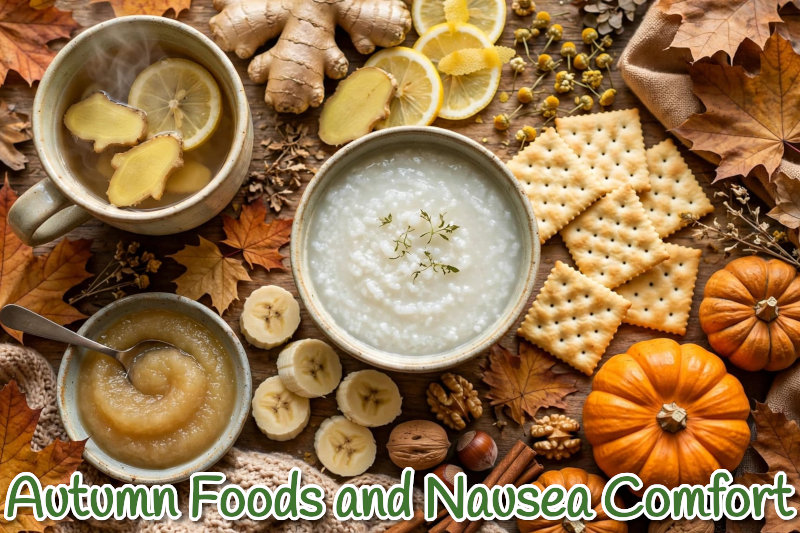
September 5th, 2026 | Holidays, Nausea
September marks a beautiful transition in the culinary landscape, as summer’s heat begins to fade and autumn produce starts to swell with flavor. This shift isn’t just about enjoying fresher tastes; it offers a fascinating opportunity for expectant mothers grappling with morning sickness – or nausea in general – to strategically adjust their diet based on what nature is providing at this time of year. While there’s no magic bullet, understanding the nutritional profiles and potential triggers associated with specific seasonal foods can be a powerful tool in managing symptoms. The key isn’t just about what you eat, but also how it aligns with your body’s changing needs during pregnancy.
Understanding the Root of Morning Sickness – Triggers & Biological Changes
Morning sickness, technically known as nausea and vomiting of pregnancy (NVP), is a notoriously complex phenomenon. It affects an estimated 70-80% of pregnant women, though the severity and duration vary greatly. While the exact cause isn’t fully understood, research suggests a cascade of hormonal shifts plays a central role. Increased levels of hCG (human chorionic gonadotropin), estrogen, and progesterone are all implicated in stimulating activity within the vomiting center in the brain – an area that normally suppresses nausea signals.
Hormonal Fluctuations: The dramatic rise in hormones is the primary driver, but individual sensitivities differ widely. Some women are genetically predisposed to be more sensitive than others.
Dietary Triggers: Certain foods can exacerbate symptoms, with common culprits including spicy foods, greasy foods, strongly-smelling items (like coffee or garlic), and high levels of fat in the diet.
Psychological Factors: Stress, anxiety, and even emotional changes can also contribute to nausea. It’s important to address this holistic perspective when developing a coping strategy.
September’s Star Ingredients: Foods Rich in Soothing Nutrients
September’s harvest brings forth a wealth of delicious and nutritious foods that possess characteristics ideally suited to easing the symptoms of morning sickness. Let’s delve into some key seasonal highlights, considering their impact on digestion, nutrient availability, and potential to calm an upset stomach.
1. Apples & Pears: Gentle Digestion and Fiber Support
Apples and pears are quintessential autumn fruits that have traditionally offered gentle comfort for those feeling unwell. They’re naturally high in pectin, a soluble fiber known for its soothing effects on the digestive system. Pectin can help slow stomach emptying, which may reduce nausea by preventing rapid fluctuations in blood sugar levels – a common trigger for morning sickness.
Why they work: The fiber promotes regularity and eases constipation, a common complaint during pregnancy that can exacerbate nausea.
How to enjoy them: Steamed applesauce or baked pears are gentle options. Adding a small amount of cinnamon (another soothing spice) could be beneficial.
2. Squash & Pumpkins: Beta-Carotene Boost & Gentle Flavor
Squash and pumpkins, in their various forms – butternut squash, acorn squash, spaghetti squash – are incredibly abundant in September. They’re packed with beta-carotene, which the body converts to Vitamin A, a vital nutrient for cell growth and immune function during pregnancy. Their mild flavor profiles generally won’t trigger strong aversion.
Nutritional Benefits: Beyond vitamin A, they offer potassium and fiber, contributing to overall wellbeing.
Preparation Methods: Roasted squash is naturally sweet and flavorful; puréed squash can be added to smoothies or soups for a gentle delivery of nutrients.
3. Grapes & Berries: Antioxidant Power & Controlled Sugar Release
While berry season might be winding down in some areas, grapes (particularly red and purple varieties) still offer a potent dose of antioxidants, which combat inflammation and support immune function. They generally have a lower sugar content than many other fruits, potentially minimizing blood sugar spikes that can trigger nausea.
Antioxidant Properties: Resveratrol, found in dark grapes, has been linked to anti-inflammatory effects.
Portion Control is Key: Even though they’re lower in sugar, consuming large amounts of any fruit can lead to digestive distress.
4. Root Vegetables (Beets & Carrots): Earthy Comfort and Digestive Support
Root vegetables like beets and carrots are rich in fiber and gentle carbohydrates that can be easily digested. They’re also naturally sweet – this is a nice benefit as many pregnant women have heightened cravings.
Nutritional Richness: Both beets and carrots provide important vitamins, minerals and antioxidants.
Cooking Methods: Roasting or steaming these vegetables will make them tender and digestible.
Fine-Tuning Your Diet for September: Beyond the Seasonal Staples
While incorporating seasonal foods is a great starting point, it’s crucial to remember that every woman experiences morning sickness differently. What works wonders for one person may not have any effect on another. Here are some additional considerations regarding your diet and symptom management.
Recognizing Your Individual Triggers – Food Diaries & Careful Observation
Keeping a detailed food diary is invaluable in identifying specific trigger foods. Record everything you eat, along with the time of consumption and the severity of any nausea or vomiting that follows. This allows you to pinpoint patterns and avoid those problematic items. It’s not just about eliminating obvious suspects like spice; it could be something as subtle as a particular brand of yogurt or a certain type of bread.
Small, Frequent Meals: Eating smaller, more frequent meals – every 2-3 hours – can help maintain stable blood sugar levels and prevent an empty stomach from triggering nausea.
Hydration is Crucial: Dehydration is a common trigger for morning sickness. Aim to drink plenty of fluids throughout the day—water, herbal teas (ginger, peppermint), clear broths, and diluted fruit juices are good options.
Complementary Strategies – Beyond Diet
Diet plays a significant role, but it’s just one piece of the puzzle. Combine dietary adjustments with other helpful strategies:
Ginger: Ginger has been shown to be effective in reducing nausea. Try ginger tea, ginger chews, or adding fresh ginger to meals.
Peppermint: Peppermint tea or aromatherapy can sometimes help calm an upset stomach.
Rest & Relaxation: Stress exacerbates morning sickness. Prioritize rest, relaxation techniques like deep breathing exercises and prenatal yoga.
Recent Posts
Categories
- All-Natural (4)
- Blog (46)
- Cancer (97)
- Diet (15)
- Holidays (33)
- Lifestyle (89)
- Motion Sickness (48)
- Nausea (138)
- New Mothers (55)
- Oncology Testimonials (3)
- Prebiotics (1)
- Preggie Products (11)
- Preggie Testimonial (24)
- Pregnancy (169)
- Queasy Products (8)
- Queasy Testimonial (17)