Cold & Flu Season Prep: A Proactive Approach to Wellness
September 9th, 2026 | Lifestyle, Nausea
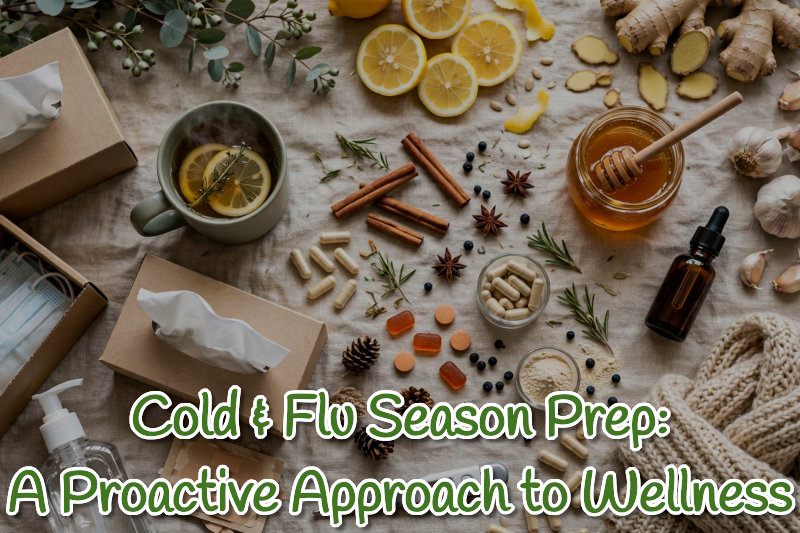
As the days grow shorter and a crispness enters the air, it’s almost inevitably accompanied by a familiar feeling – that awareness of cold and flu season rapidly approaching. While we can’t completely eliminate our risk of contracting a virus, there is a great deal we can do to prepare ourselves, bolster our immune systems, and minimize the discomfort when illness does strike. This isn’t about fear; it’s about empowerment – taking control of your health and proactively building defenses against the common cold and influenza. Understanding how your body responds and making strategic choices now can make a significant difference in both your symptom severity and overall recovery time. We will delve into lifestyle adjustments, nutritional strategies, and even some gentle techniques to combat nausea, all geared toward supporting your wellness throughout the challenging winter months.
Understanding the Enemy: Why Your Immune System Needs Support
The cold and flu viruses aren’t a new phenomenon; they’ve been a part of our existence for centuries. However, modern life – increased stress, compromised sleep habits, environmental pollutants, and often inadequate nutrition – can weaken our immune defenses, making us more susceptible to infection. Our immune system isn’t a single entity, but rather an intricate network of cells, tissues, and organs working together to identify and eliminate threats. When this system is under constant duress, it becomes less efficient at responding effectively.
- Stress & Immune Function: Chronic stress significantly suppresses the activity of natural killer (NK) cells – a crucial component of our immune response that targets infected cells. Reducing your stress levels through activities like yoga, meditation, or spending time in nature can have a profound impact on your overall immunity.
- Sleep & Immunity: During sleep, the body releases cytokines, proteins that help regulate the immune system and fight inflammation. Lack of sleep diminishes these protective measures, leaving you vulnerable to illness. Aim for 7-9 hours of quality sleep each night.
Strategic Immune Support: Building a Strong Defense
Now, let’s move onto practical steps you can take to bolster your immune system. It’s not about drastic measures; it’s about incorporating sustainable habits that contribute consistently to your well-being. Many people underestimate the power of simple, yet impactful adjustments in their daily routines and diet.
Diet & Nutrition: Fueling Your Immune Cells
What you eat directly impacts the health of your immune system. Certain nutrients play a vital role in supporting immune cell function. Prioritizing nutrient-dense foods is key!
- Vitamin C: A potent antioxidant, Vitamin C supports the production and function of white blood cells (your body’s infection fighters). Excellent sources include citrus fruits, bell peppers, broccoli, and strawberries.
- Zinc: Crucial for immune cell development and communication, zinc deficiency can impair immune responses. Foods rich in zinc include oysters, beef, pumpkin seeds, and lentils. Consider a supplement if you suspect a deficiency. (Consult your doctor before starting any new supplements)
- Vitamin D: Research increasingly suggests a link between Vitamin D levels and immune function. Many people are deficient, particularly during winter months when sun exposure is limited. Fatty fish (salmon, tuna), egg yolks, and fortified foods can contribute to adequate intake, or consider supplementation based on your doctor’s advice.
Beyond specific vitamins and minerals, focus on consuming a diet rich in fruits and vegetables – packed with antioxidants that protect cells from damage – and probiotic-rich foods like yogurt or kefir to support gut health (which plays a significant role in immune function).
Lifestyle Factors: Beyond Diet – Creating an Immune-Friendly Environment
Diet is fundamental, but your lifestyle habits also play a crucial part. Let’s not forget the power of preventative measures!
- Regular Exercise: Moderate exercise boosts circulation and enhances immune cell activity. Aim for at least 30 minutes of moderate-intensity exercise most days of the week – find an activity you enjoy to make it sustainable.
- Stress Management: As mentioned previously, managing stress is paramount. Incorporate relaxation techniques like deep breathing exercises, meditation, or spending time in nature. Consider aromatherapy with calming essential oils like lavender or chamomile.
- Hand Hygiene: This remains one of the simplest and most effective ways to prevent infection! Frequent hand washing with soap and water for at least 20 seconds is crucial.
Minimizing Nausea: A Gentle Approach
Nausea is a common symptom associated with viral infections, and it can significantly impair your ability to take care of yourself. While you don’t want to mask the symptoms entirely, there are gentle strategies that can help alleviate discomfort.
- Ginger: Ginger has long been used for its anti-nausea properties. Sip ginger tea, chew on candied ginger, or incorporate fresh ginger into meals.
- Peppermint: Peppermint aromatherapy (using a diffuser) or peppermint tea can also soothe the stomach and reduce nausea.
- Small, Frequent Meals: Avoid overeating, which can exacerbate nausea. Instead, opt for small, frequent meals throughout the day to keep your stomach settled. Bland foods like crackers, toast, or rice are generally well-tolerated.
Important Disclaimer: The information provided in this blog post is intended for general knowledge and informational purposes only, and does not constitute medical advice. It is essential to consult with a qualified healthcare professional for any health concerns or before making any decisions related to your health or treatment.
Recent Posts
- Cold & Flu Season Prep: A Proactive Approach to Wellness
- September’s Seasonal Bounty: A Potential Ally Against Morning Sickness
- Motion Sickness on School Drop-Off? A Guide to Calm Journeys
- The Perfect Post-Feeding Cool Down: How Lozenges Can Help
- Navigating the Transition: Back to School When Facing Cancer Treatment
Categories
- All-Natural (4)
- Blog (46)
- Cancer (95)
- Diet (15)
- Holidays (31)
- Lifestyle (84)
- Motion Sickness (48)
- Nausea (134)
- New Mothers (53)
- Oncology Testimonials (3)
- Prebiotics (1)
- Preggie Products (11)
- Preggie Testimonial (24)
- Pregnancy (169)
- Queasy Products (8)
- Queasy Testimonial (17)